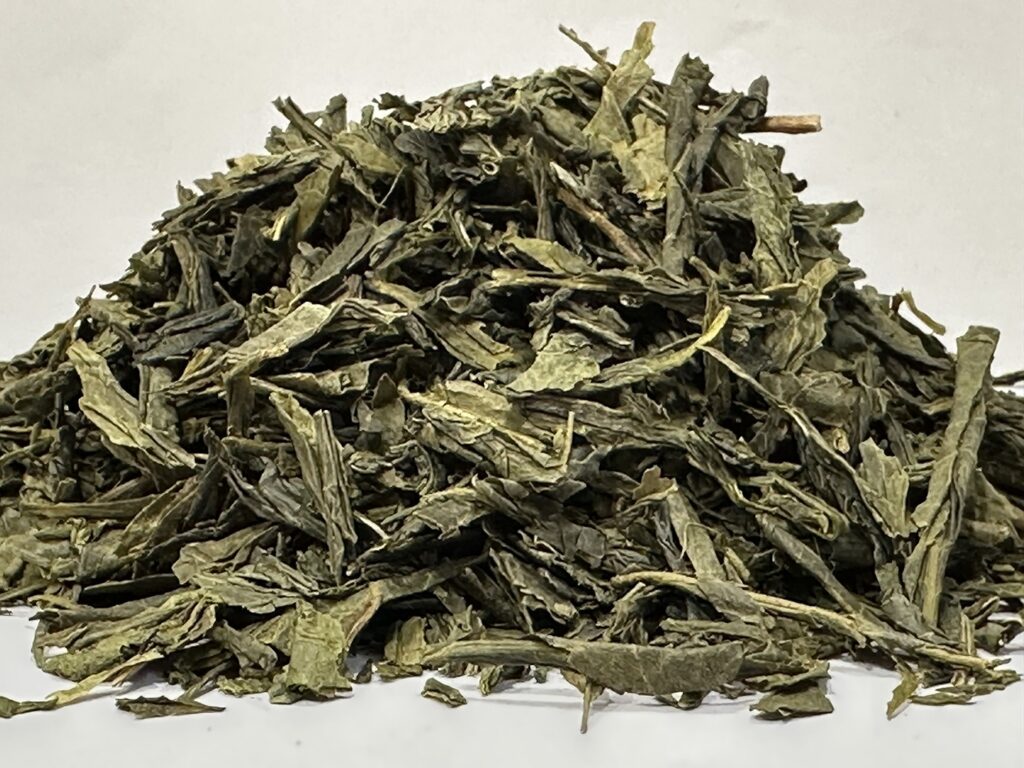
Sencha tea, presented in a 100-gram package, boasts a unique aroma that transports you to the tranquil shores of a lake. Its bouquet reveals subtle notes of fresh water lilies, delicate reeds, sea algae, and young, freshly cut grass. This complex profile makes every breath truly refreshing and calming.
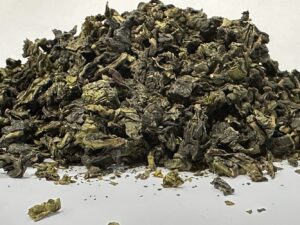
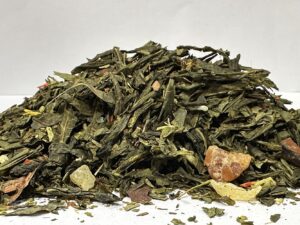
Sencha’s taste is expressive and intriguing, offering a harmonious blend of freshness and a slight astringency, characteristic of high-quality green teas. The tea infusion has an almost transparent, radiant golden-yellow hue, which delicately transitions into a deeper mustard tone at the edges of the cup, emphasizing its natural purity and depth. The leaves, as seen in the image, have a characteristic twisted shape and a deep green color, indicating proper processing and the preservation of all beneficial properties.
Historical Background of Sencha’s Origin
Sencha tea is the most popular type of green tea in Japan, forming the basis of daily tea drinking for millions of residents. Its history is closely linked to the development of Japanese tea culture.
- Harvesting Location: Sencha is cultivated throughout Japan, from the southern regions of Kyushu to the northern areas of Honshu, where climatic conditions are ideal for growing delicate tea bushes.
- Historical Fact: The Sencha production method, which involves steaming tea leaves to prevent oxidation, was developed in Japan in the 18th century by Nagatani Soen. This innovative approach allowed for the preservation of the fresh green color and grassy aroma that distinguishes Sencha from Chinese green teas, which are traditionally pan-fired.
How to Brew Sencha Tea for the Perfect Taste
- Preparation: Use fresh, soft water. Bring it to a boil and let it cool to 70-80°C. 🌡️
- Dosage: Add 2-3 grams of Sencha tea (approximately one teaspoon) per 200 ml of water. 🍃
- Brewing: Pour hot water over the tea. The first infusion should last 60-90 seconds. ⏱️
- Enjoyment: Pour the infusion into cups. Sencha can be steeped multiple times, with each infusion revealing new facets of its flavor. 🍵
Properties
Kategooria
Green Tea
Kaal
100g
Tootekood
22503






9,80 €